Burned Out and Done Wrenching: Why Good Mechanics Walk Away and What Actually Keeps Them Around
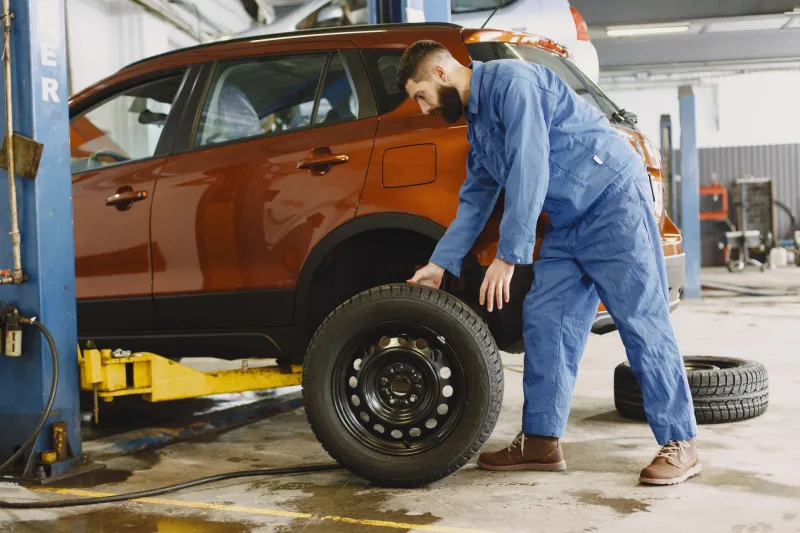
Somewhere in your circle, there's a guy who used to be the one everyone called. The dude who could diagnose a misfire by sound alone, who had a socket for every situation, who showed up on Saturday mornings before anyone else and stayed until the sun went down. And then one day, he just... stopped. Sold the tools. Let the project sit. Stopped answering the group chat.
This isn't a rare story. It's becoming a pattern — and if you're paying attention, it should concern you.
The automotive hobby and trade are quietly bleeding out experienced talent. Not to tech jobs or white-collar careers, but to pure, grinding exhaustion. Call it burnout, call it disillusionment, call it whatever you want — the result is the same. Good mechanics, passionate gearheads, and skilled tradespeople are stepping away from the thing they loved, sometimes for good.
So what's actually driving it? And more importantly, what can the rest of us do to stop it from happening in our own garages and communities?
The Invisible Weight of Being the "Go-To Guy"
Here's a dynamic that plays out in almost every garage community across the country: one or two people carry the technical load for everyone else. They're the ones who get the phone calls, the Facebook messages at 11 p.m., the "hey can you just take a quick look" requests that turn into four-hour jobs.
At first, it feels good. Being the knowledgeable one is a point of pride. But over time, that pride starts to curdle. The favors pile up without reciprocation. The "quick look" becomes an expectation. And suddenly, what used to be a passion has turned into an unpaid on-call position.
This is one of the most common and least-talked-about reasons experienced mechanics disengage. The community they loved starts to feel transactional — and they're always the ones paying.
If you run a garage group, a car club, or even just a tight-knit friend circle, pay attention to who's always giving and who's always taking. Rotate the labor. Acknowledge the contributions. Make sure your best people feel valued, not used.
The Professional Side Is Just as Brutal
For mechanics working in actual shops, the pressures are different but equally corrosive. Flat-rate pay structures that punish you for taking the time to do a job right. Customers who watched a YouTube video and now think they know more than you do. Shop owners who measure productivity in hours billed rather than quality of work. A constant stream of vehicles that are neglected, abused, and somehow your problem to fix on a deadline.
Throw in the physical toll — bad backs, torn rotator cuffs, knees that sound like gravel in a tin can — and you start to understand why experienced techs in their 30s and 40s are walking out the door and not coming back.
The industry has a retention problem, and it's not just about wages. It's about dignity. Techs who feel respected, trusted with complex work, and given some autonomy over their process tend to stick around. Those who feel like human labor units on a factory floor don't.
Shop owners who want to keep their best people need to think beyond the paycheck. Invest in training. Give techs the tools they need without making them buy everything out of pocket. Create a shop culture where asking questions and taking time to diagnose correctly is rewarded, not penalized.
When the Hobby Stops Feeling Like a Hobby
Even for the pure hobbyist — the weekend warrior who never intended to turn wrenching into a career — burnout is real.
Project cars have a way of expanding to fill every available hour, dollar, and square foot of mental space you have. What started as a fun 1969 Camaro restoration becomes a decade-long financial sinkhole with no finish line in sight. The pressure to document everything for Instagram, to keep up with guys who have professional shops and unlimited budgets, to justify the time and money spent to a skeptical spouse — it all adds up.
And when the garage starts to feel like a second job instead of an escape, people bail. Not because they stopped loving cars, but because the version of the hobby they ended up with looked nothing like what they signed up for.
The fix here is partly about expectations and partly about community. Surround yourself with people who are building at a similar pace and with similar resources. Celebrate progress, not just completion. Let your project be a project — messy, slow, and real — instead of a performance for an audience.
Building Environments That Actually Sustain People
Whether you're running a shop, leading a car club, or just trying to keep your garage crew intact, the principles are the same. Sustainable wrench-turning culture doesn't happen by accident.
Spread the knowledge. The best thing an experienced mechanic can do is teach. Not just to preserve the craft, but to reduce the burden on themselves. When more people in your circle know how to do the work, no single person carries the whole load. Host informal tech nights. Walk people through jobs instead of just doing it for them. Build the skill level of your community up.
Set real boundaries. If you're the go-to guy, it's okay to say no sometimes. It's okay to say "I'll help you figure it out, but I'm not doing it for you." Healthy communities respect those limits. Ones that don't are communities worth stepping back from.
Acknowledge the grind. In garage culture, toughness gets celebrated and struggle gets minimized. But the dude who's been under the same car for three years, working nights and weekends, pouring money into a build that never seems to end — he needs someone to acknowledge that it's hard. Check in on your people. Not just about the car, but about how they're actually doing.
Make it fun again. This sounds obvious, but it's easy to lose sight of. Cruise nights, shop BBQs, impromptu drives on a Sunday morning — the social glue of car culture is just as important as the technical side. When the only time people gather is to work, the work starts to feel like an obligation.
The Cost of Losing the Experienced Ones
Here's the thing nobody talks about enough: when seasoned mechanics and passionate gearheads walk away, they take institutional knowledge with them that is genuinely hard to replace. The guy who knows how to set up a carburetor by feel, who's done a dozen engine swaps and can anticipate every problem before it happens, who mentored three younger guys in the process — when he's gone, that's a real loss.
The next generation of wrenchers needs those people to still be around and still be engaged. Not burned out, not resentful, not selling off their tool chests on Facebook Marketplace.
Keeping good mechanics in the game isn't just a retention problem. It's a culture problem. And culture is something every one of us has a hand in shaping — whether we're running a shop with fifteen bays or just turning wrenches in a two-car garage on weekends.
Take care of your people. The cars can wait.