Lend It Once, Lose It Forever: The Brutal Truth About Tool Borrowing in the Shop
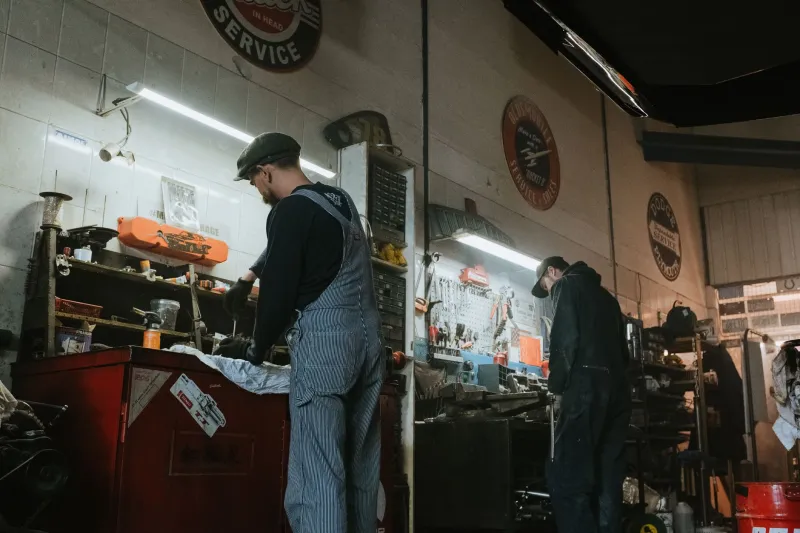
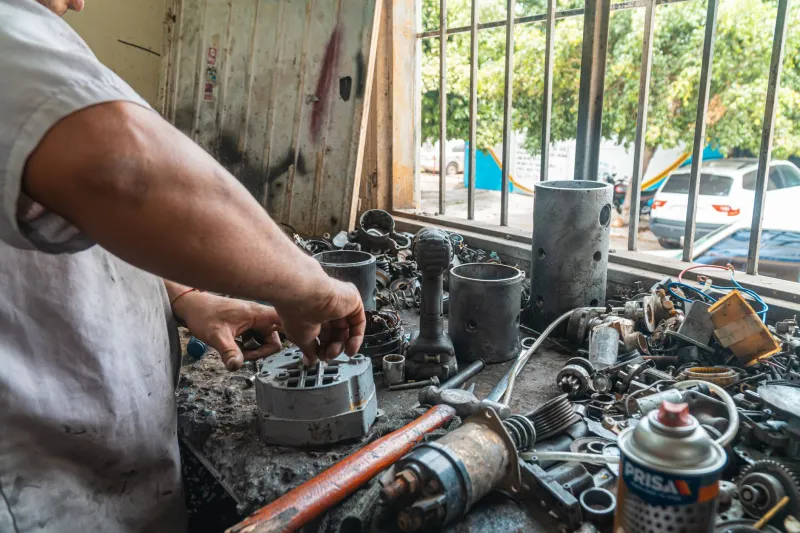
Every gearhead has a ghost story. Not the supernatural kind — the kind where you open your top chest, reach for your 3/8-inch drive torque wrench, and feel nothing but empty drawer liner staring back at you. You know exactly where it went. You just can't prove it. And somehow, asking for it back feels more awkward than the time you dropped a transmission on your foot and had to explain the bruise at Thanksgiving.
Tool borrowing is one of the most quietly contentious rituals in car culture. On the surface, it looks like community — gearheads helping each other out, sharing resources, keeping a buddy's weekend project from grinding to a halt because he doesn't own a harmonic balancer puller. And that spirit is real. It matters. But somewhere between the first favor and the fifth unreturned socket extension, things get complicated.
The Anatomy of a Lost Tool
Here's how it usually goes. A friend texts you on a Saturday morning. He's mid-job, something's gone sideways, and he needs a specific tool — something you have and he doesn't. You're a good person, so you say yes. He swings by, grabs the tool, and you feel good about it. Solid garage community moment.
Then life happens. He finishes the job. The tool gets set on a workbench. Days pass. Weeks. It migrates under a car seat, gets buried under a pile of shop rags, or — in the most infuriating scenario — gets lent out again to someone else without your knowledge. By the time you actually need it, tracking it down feels like an archaeological dig.
This isn't a story about bad people. Most tool borrowers aren't thieves. They're just disorganized, forgetful, or operating on a completely different timeline than you are. The problem is that your Milwaukee impact gun doesn't care about their intentions. It's still gone.
The Unwritten Code Nobody Talks About
Car culture has a lot of unwritten rules — you wave at other enthusiasts on the road, you don't rev on a cold engine, you never talk trash about a man's project car to his face. But the rules around tool borrowing? Nobody actually agrees on them.
Some guys operate on a strict "my garage, my tools" policy and catch flak for being stingy. Others lend freely and spend years mentally cataloging what's out in the wild. Most people fall somewhere in the middle, making judgment calls based on who's asking and what they're asking for.
The tension is real. Being the guy who says no to a friend in need feels lousy. But being the guy who says yes to everyone and slowly watches his collection disappear feels even worse — especially when the tools that walk are the expensive ones. It's never the Harbor Freight 10mm. It's always the Snap-on.
Real Talk From Real Shops
Spend any time on automotive forums or in actual garages, and you'll collect stories fast. There's the classic scenario of a borrowed floor jack that came back with a slow hydraulic leak and a shrug. Or the guy who lent out his engine hoist to a neighbor "for the weekend" and didn't see it again for eight months — and only got it back because he drove over and physically loaded it into his truck.
One mechanic put it bluntly: "I've got more money tied up in tools than most people have in furniture. The moment I started treating my shop like a free rental counter was the moment I started losing money."
That's the part that stings. Tools aren't just gear — they're an investment built over years, sometimes decades. A quality ratchet set or a good scan tool represents real hours of work. When it walks out the door, it doesn't just disappear. It takes part of that investment with it.
Practical Ways to Protect Your Collection
The good news is you don't have to choose between being a good friend and keeping your tools. You just need a system.
Mark everything. Seriously, everything. Paint pens, engravers, colored tape on handles — pick a method and go consistent. When your tools have your name or a recognizable mark on them, two things happen: borrowers are more consciously aware they're holding your property, and recovery becomes a lot easier when something goes missing.
Keep a lending log. It sounds overly formal, but even a basic notes app on your phone works. Log what you lent, who borrowed it, and when. You don't have to make it a whole production — just a quick note. When you need the tool back, you're not relying on memory, and neither is the borrower.
Set a return window upfront. Don't just hand something over and hope. "I need that back by Sunday" is a complete sentence. Most people respond well to a clear expectation. It also gives you a natural reason to follow up without it feeling like an accusation.
Know your tier system. Not every tool is equally lendable. Your everyday combination wrenches? Probably fine. Your specialty diagnostic equipment or your prized vintage Craftsman stuff? That's a different conversation. Know which tools you're genuinely comfortable lending and which ones you'll quietly resent parting with. Protect the second category.
The deposit conversation. For high-value items, some guys in serious build communities have started doing informal deposits — nothing legal, just a handshake agreement that if a tool comes back damaged or doesn't come back at all, there's an understanding about replacement cost. It's awkward the first time you bring it up. It's a lot less awkward than replacing a $400 impact gun out of pocket.
When Friendship and Tools Collide
Here's the harder conversation: sometimes the tool problem is actually a friendship problem wearing a tool-shaped disguise. The buddy who always borrows and never returns might also be the one who's always got a reason he can't help on your builds, always shows up after the hard work is done, always has an excuse. Tools are just where it surfaces first.
Knowing when to draw a line isn't about being selfish. It's about recognizing that a one-sided relationship — whether it's labor, money, or borrowed equipment — tends to corrode over time. The resentment builds quietly, and eventually it poisons something that used to be good.
Saying no, or setting terms, isn't the end of a friendship. In most cases, a good friend will respect it. The ones who don't respect it tell you something important.
Keep the Culture, Protect the Collection
Tool sharing is part of what makes garage culture worth being part of. There's something genuinely great about a community where a guy can get unstuck on a Saturday because his neighbor had the right puller. That spirit is worth preserving.
But generosity without boundaries isn't really generosity — it's just slow attrition. Mark your tools. Track your loans. Set expectations. And know which pieces of your collection you're not willing to gamble on a handshake.
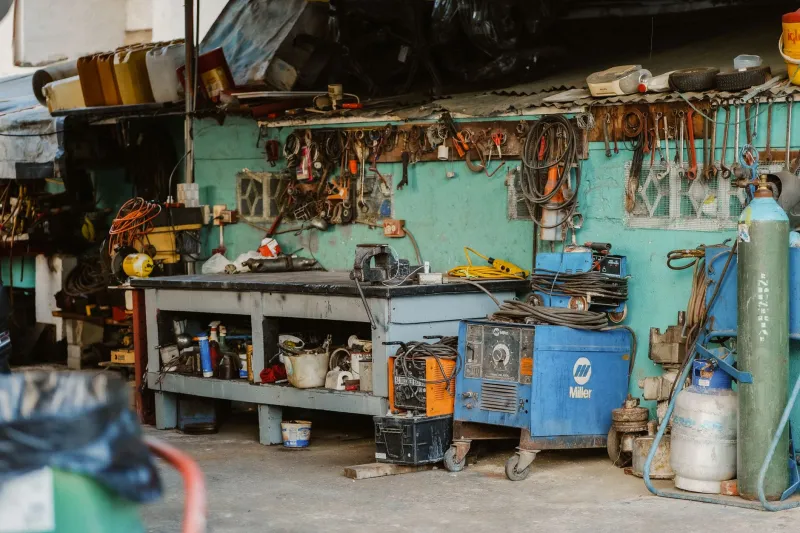
Your shop took years to build. It deserves to stay intact.