Some Friendships Don't Belong in the Shop: How to Recognize a Toxic Wrench Buddy and Move On
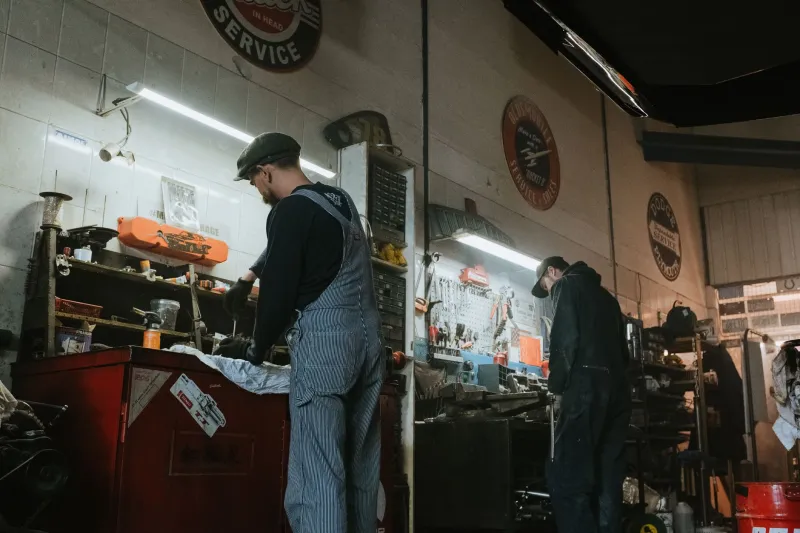
The garage is supposed to be your sanctuary. It's where you go to think clearly, work with your hands, and occasionally yell at a rusted bolt that deserves every word. For a lot of us, that space is better shared — a good shop buddy can make a long Saturday build feel like the best afternoon of the month. Someone who hands you the right wrench before you ask, who spots a problem you missed, who doesn't mind blasting the same album three times in a row while you sort out a wiring harness.
But sometimes that relationship sours. And when it does, it can poison the one place you actually go to decompress.
This one's about how to recognize when your garage friendship has gone sideways — and what to do about it before it costs you more than just a few missing sockets.
The Slow Creep You Almost Don't Notice
Most garage breakups don't happen over one big blow-up. They build up slowly, the way rust works its way under a quarter panel. One day you look up and realize the damage is way deeper than the surface.
Maybe your buddy started borrowing tools and just... not bringing them back. Not in a malicious way at first — just forgetfulness. But after the third time you go looking for your 3/8 torque wrench and have to text him about it, the pattern is clear. Your shop is becoming an extension of his tool chest, and the arrangement only works in one direction.
Or maybe it's the safety stuff. He cuts corners you're not comfortable with — jacks a car without stands, skips PPE, dismisses your concern with a "relax, I've done this a hundred times." That's not just annoying. That's genuinely dangerous. A shop culture that normalizes unsafe habits is one accident away from a very bad day, and you don't want to be the guy standing there when it happens.
Ego clashes are another one. The buddy who can't let you work through a problem without jumping in, who talks over your diagnostic process, who insists his way is the only way even when your way is working fine. Collaboration requires a certain amount of mutual respect. When that's gone, it stops being a partnership and starts being a competition you didn't sign up for.
When the Vibe Shifts From Helpful to Heavy
There's a difference between a friend who's going through a rough patch and needs some grace, and someone whose behavior has become a consistent drain on your time and energy. One you work through. The other you have to address head-on.
Ask yourself a few honest questions. Do you actually look forward to working in the garage when this person is there? Or do you find yourself making excuses to push the session back? Are your builds moving forward, or does every Saturday turn into a two-hour debate about nothing? Is the shop a better place when he's around — or just louder?
If you're dreading your own garage, something is wrong.
Also pay attention to the respect factor. Does he treat your tools, your project, and your time like they matter? Or does he roll in whenever it's convenient for him, use what he needs, offer half-hearted help, and leave you to clean up? The people who belong in your shop are the ones who treat it like a shared privilege, not a free resource.
Having the Awkward Conversation
Here's the part nobody wants to talk about: you probably have to say something. Ghosting a shop buddy is cowardly, and it tends to create more drama than it avoids, especially if you run in the same car community circles. Word gets around.
You don't have to make it a whole thing. Keep it direct and low-drama. Something like: "Hey man, I think we've been working differently lately, and I need to pull back a bit on the shop time together." You don't owe him a 45-minute explanation. You also don't need to list every grievance like a prosecution. Just be honest that the arrangement isn't working for you anymore.
If the issue is specific — say, the tools thing — address it directly. "I need my stuff back before we do anything else, and going forward I'm not lending out tools." That's not harsh. That's a reasonable boundary that any decent person will respect.
Expect some pushback. Some people will get defensive. Some will act blindsided even when they shouldn't be. Stay calm, don't get pulled into an argument, and don't apologize for protecting your space. You're not being mean. You're being clear.
Protecting Your Shop Culture Going Forward
Once you've made the break — or even if you've just decided to put some distance between yourself and someone who was dragging the energy down — it's worth thinking about what kind of shop culture you actually want to build.
The best garage friendships are built on a few simple things: mutual respect, shared enthusiasm, and a basic understanding of how to behave in someone else's space. People who show up on time, who ask before they grab a tool, who pull their weight on cleanup, who push you to do better work without making it a pissing contest — those are the people worth building with.
Be selective. It's your garage. You get to decide who's in it.
Some guys find it helpful to keep the shop more solo for a while after a rough partnership falls apart. There's real value in that. Rediscover the rhythm of your own work. Remember why you started wrenching in the first place. Get a few sessions in where it's just you, the car, and whatever's on the shop speakers.
When you're ready to invite people back in, you'll have a clearer sense of what you're looking for — and what you're not willing to tolerate.
The Garage Is Worth Protecting
Breaking up with a shop buddy is uncomfortable, no question. But letting a toxic dynamic fester in the one place you go to recharge is worse. It'll kill your motivation, slow your builds, and eventually make you resent the whole thing.
Your garage should make you feel better when you walk out of it than when you walked in. If someone in your life is messing with that, it's time to have the conversation — or make the call.
The tools, the projects, the culture you've built in that space — they're worth more than avoiding an awkward afternoon.