What Your Garage Smells Like — And What It Says About You

Walk into any working garage and your nose starts talking before your eyes catch up. There's that familiar cocktail — motor oil, rubber, maybe a hint of exhaust baked into the concrete — and for most gearheads, it's basically aromatherapy. But beneath the nostalgic comfort of that smell is real information. The scent profile of your workshop is a living diagnostic, and if you've been ignoring it, you're leaving data on the table.
This isn't about making your garage smell like a candle shop. It's about understanding what those odors actually mean, which ones are warning signs, and how the smartest builders in any shop use their nose as a first-line tool before they ever crack open a code reader or pop a hood.
The Baseline Smell Every Garage Has
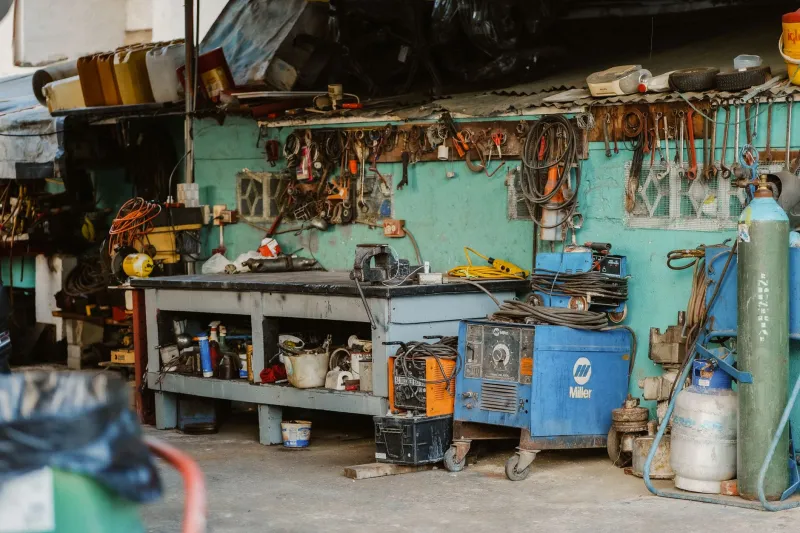
Let's start with what's normal. A working garage is going to smell like work. Oil, grease, brake dust, rubber, and solvent are all part of the deal. That baseline isn't a problem — it's a sign the space is being used. The issue is when something new enters the mix, or when a familiar smell gets noticeably stronger without an obvious reason.
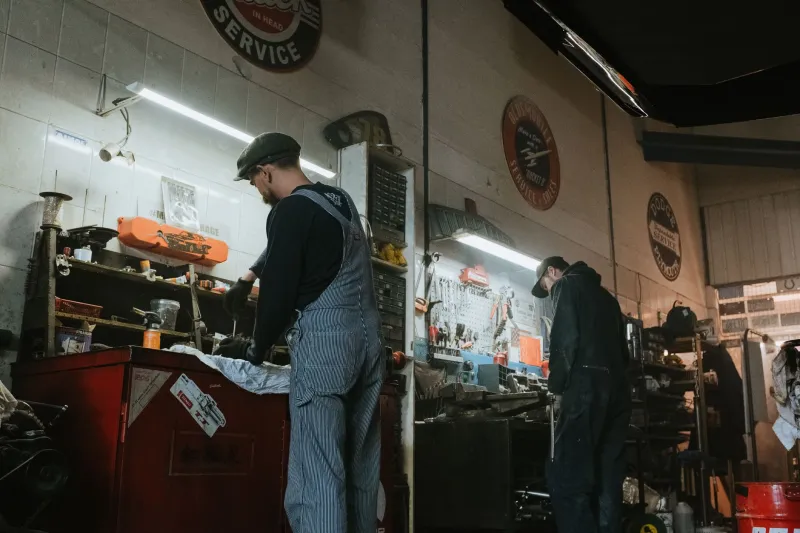
Experienced mechanics develop what you might call a scent memory for their shop. They know what Tuesday at 7 PM smells like versus what it smells like when something's off. If you've been wrenching in the same space for a few years, you probably already do this without thinking about it. That little moment of "wait, what's that?" when you open the garage door? That's your nose doing diagnostics.
Fuel Smell: The One You Can't Ignore
Gasoline is the big one. A faint whiff after you've been working on a carb or a fuel line is expected. But persistent fuel smell — especially when nothing's actively running or open — is a serious flag. It could mean a slow leak somewhere in a fuel line, a float bowl that isn't seating right, or a tank vent issue. In a closed garage, those vapors accumulate fast, and gasoline vapor is heavier than air, meaning it pools low where it's hardest to notice and easiest to ignite.
If your garage consistently smells like fuel and you can't pin down the source in five minutes, don't light anything, don't run anything with a motor, and start tracing lines. This isn't the time to shrug it off and grab a beer.
Burning Oil and What It's Really Telling You
Burning oil has its own distinct character — thicker, almost acrid compared to raw fuel. A little of it after you've done an oil change and some dripped on the exhaust manifold? Normal. But if it's hanging in the air after every drive, you've got consumption happening somewhere. Could be valve seals, could be rings, could be a leaking gasket getting cooked off a hot surface.
The garage smell in this case isn't the problem — it's the messenger. A lot of guys will keep chasing driveability issues without ever connecting the dots to what they're literally breathing in every time they pull the car in. Your nose caught it first.
Coolant: Sweet and Sneaky
Coolant has that distinctive sweet, almost syrupy smell that's surprisingly easy to miss because it doesn't trigger the same alarm bells as fuel or burning oil. But a coolant smell in the garage — particularly one that gets stronger after the car sits and cools down — almost always points to a slow leak. Head gaskets, water pump weeps, heater core issues — all of them can drip or seep just enough to evaporate before you see a puddle, but not before the smell builds up in a closed space.
This one catches people off guard because there's no visible evidence. The floor looks clean. The overflow tank looks fine. But that faint sweetness that you keep noticing? Follow it.
What a Musty Garage Is Actually Saying
Shift gears from mechanical smells to the garage itself. A musty, damp odor in the workspace isn't just unpleasant — it's a sign of moisture problems that can quietly destroy both your tools and your projects. Rust doesn't announce itself. It builds in corners, under benches, behind stored parts, inside metal toolboxes sitting on concrete floors. Moisture in the air is the setup, and a musty smell is the early warning.
Poor ventilation is usually the culprit. A garage that doesn't breathe traps humidity, especially in climates where temperature swings hard between day and night — think Midwest winters, coastal humidity, or anywhere with regular rain. If your shop smells like a basement, it's time to look at airflow, check your weatherstripping, and consider whether a dehumidifier belongs in your setup.
Solvent and Chemical Buildup: The Hidden Health Issue
Brake cleaner, parts wash, paint thinner, carburetor cleaner — these are staples of any active shop. But they're also genuinely hazardous in poorly ventilated spaces. The smell of heavy solvent hanging in a closed garage isn't just unpleasant; it's your respiratory system telling you it's working overtime to process something it wasn't designed to handle long-term.
A lot of DIYers underestimate this one because they're not using industrial quantities — just a can here and there. But in a sealed two-car garage, a few minutes with brake cleaner and no ventilation can build up fumes that are hard on your lungs and your head. If you're getting headaches after long shop sessions or feeling foggy after working with chemicals, ventilation is the fix, not toughing it out.
Building a Better Scent Environment
None of this means your garage needs to smell like nothing. That's not realistic and honestly, a completely sterile-smelling shop feels wrong. The goal is a clean baseline — that familiar mix of oil and metal without the sharp intrusions that signal a problem.
A few practical moves that make a real difference:
- Get airflow working. A simple box fan in a window or a small exhaust fan mounted in the wall changes the equation significantly. You don't need a full ventilation system — just something that moves air in and out.
- Clean up spills immediately. Oil on the floor doesn't just become a slip hazard — it becomes a permanent part of your garage's air quality. A good floor absorbent and a mop-down after big jobs keeps the baseline clean.
- Store chemicals properly. Capped, sealed, in a dedicated cabinet. An open can of solvent sitting on a shelf is constantly off-gassing into your workspace.
- Do a nose-check when you open up. Make it a habit. Before you turn on the lights and start wrenching, just stand in the doorway for a second and take stock. Anything different? Anything stronger? That thirty-second check has caught more than a few problems before they turned into real trouble.
Your Nose Is a Tool — Use It
The best mechanics you'll ever meet have an almost unconscious relationship with the smells around them. They're not doing anything mystical — they've just been paying attention long enough that their nose has become calibrated. That's a skill you can develop in your own shop, and it costs nothing.
Your garage's scent profile isn't just atmosphere. It's data. Treat it that way.